Home
A childhood above the restaurant
His parents, Andalusian cooks, moved to Barcelona in the 1960s. They ran Masía Can Raimí in Argentona: a Catalan restaurant that also served Andalusian dishes to a clientele that had, in large part, come from the south. The family lived upstairs.
As a boy he helped clean the seafood. He has known little cooking outside professional kitchens, and saw at close range what it takes to keep one going: his parents worked seven days a week, eighteen-hour days.
That double table, Catalan and Andalusian at once, is the source of one of the tensions that runs through Bardal.
A school and a book
Sant Pol de Mar
Nearly three decades ago he began training at the Sant Pol de Mar Hospitality School, then one of the most respected cookery schools in Europe. The vocation was not immediate: he began to take cooking seriously in his third year.
The turning point was a book by Ferran Adrià, which he still regards as the foundation of modern Spanish gastronomy:
El Bulli:
el sabor del
Mediterráneo
The kitchens
Before Ronda, four kitchens
- Jean Luc FiguerasBarcelonaHis first paid job, at the French-Catalan chef’s Michelin-starred restaurant.
- Las Rejaswith Manolo de la OsaAnother of the chefs he still draws inspiration from.
- La AlqueríaHacienda Benazuza, Seville · Ferran AdriàAdrià’s kitchen in Andalucía, at Sanlúcar la Mayor.
- TragabuchesRondaWhere everything changed scale.
In each of them he developed his passion and a solid technique, the same one he applies every day today.
Ronda
Arriving, and staying
He came to Ronda in 2014 to run the kitchen at Tragabuches. Two years later he took over the restaurant and renamed it Tragatá, which entered the MICHELIN Guide in 2017 and remains his Andalusian tapas house, now also in Málaga. Then came Bardal.
“I fell in love with Ronda and hope to die here.”
The essentials
“I do not believe in gourmet food”
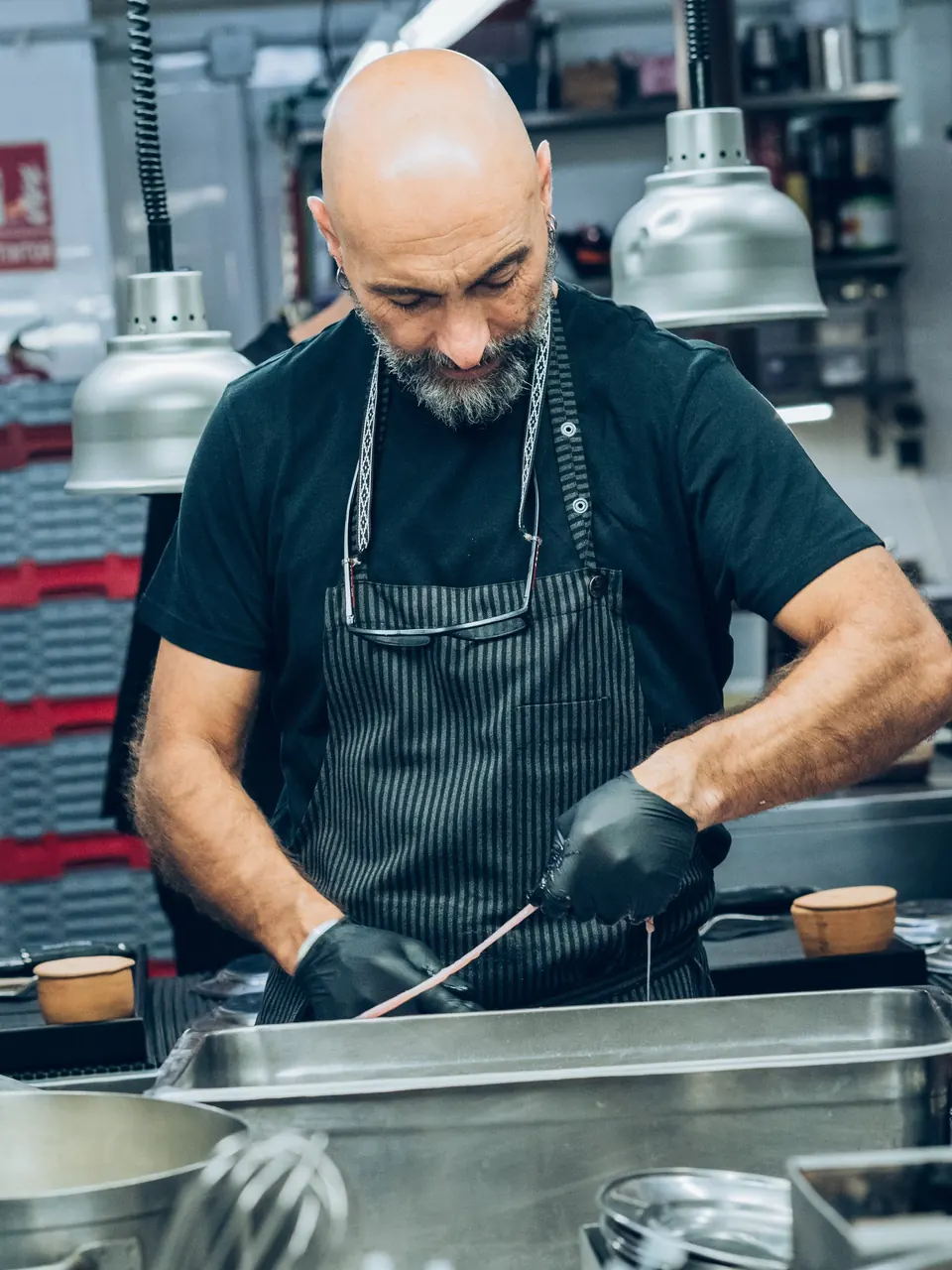
The line, from 2023, is not a pose. For Benito Gómez what matters is the quality of the produce and care in the preparation; there is no greater secret. He prefers simplicity to complexity, and sums up the idea behind Bardal in three words: respect, essence and authenticity.
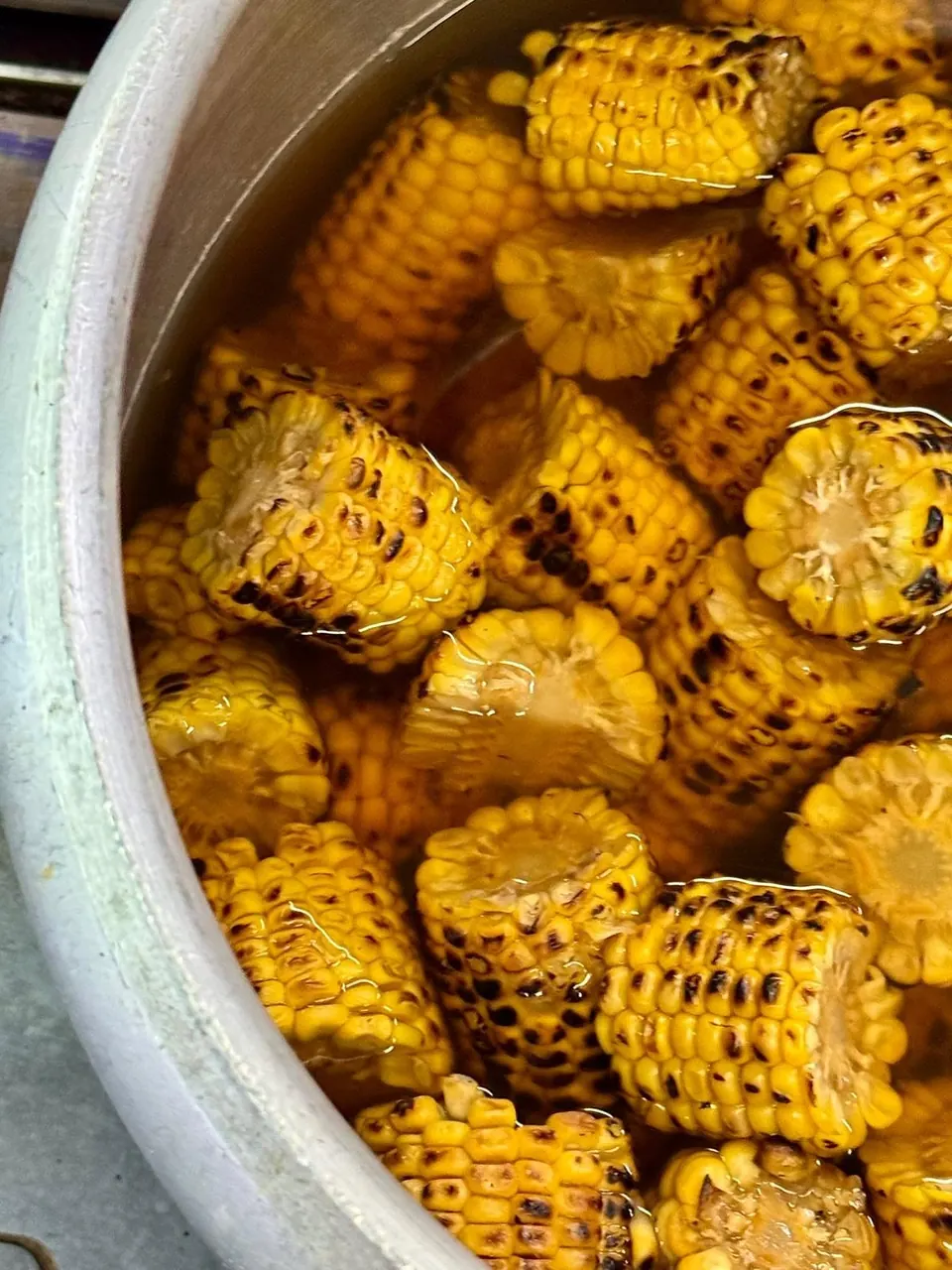
He champions local produce where it is the best, but not as dogma: not everything nearby is good enough, and bringing in better ingredients also raises what is produced around it. Bardal works with more than a hundred specialist suppliers.
In Andalucía he admires a cuisine built from very humble ingredients, now rich in nuance, and a region with some of the finest produce in the world.
The team
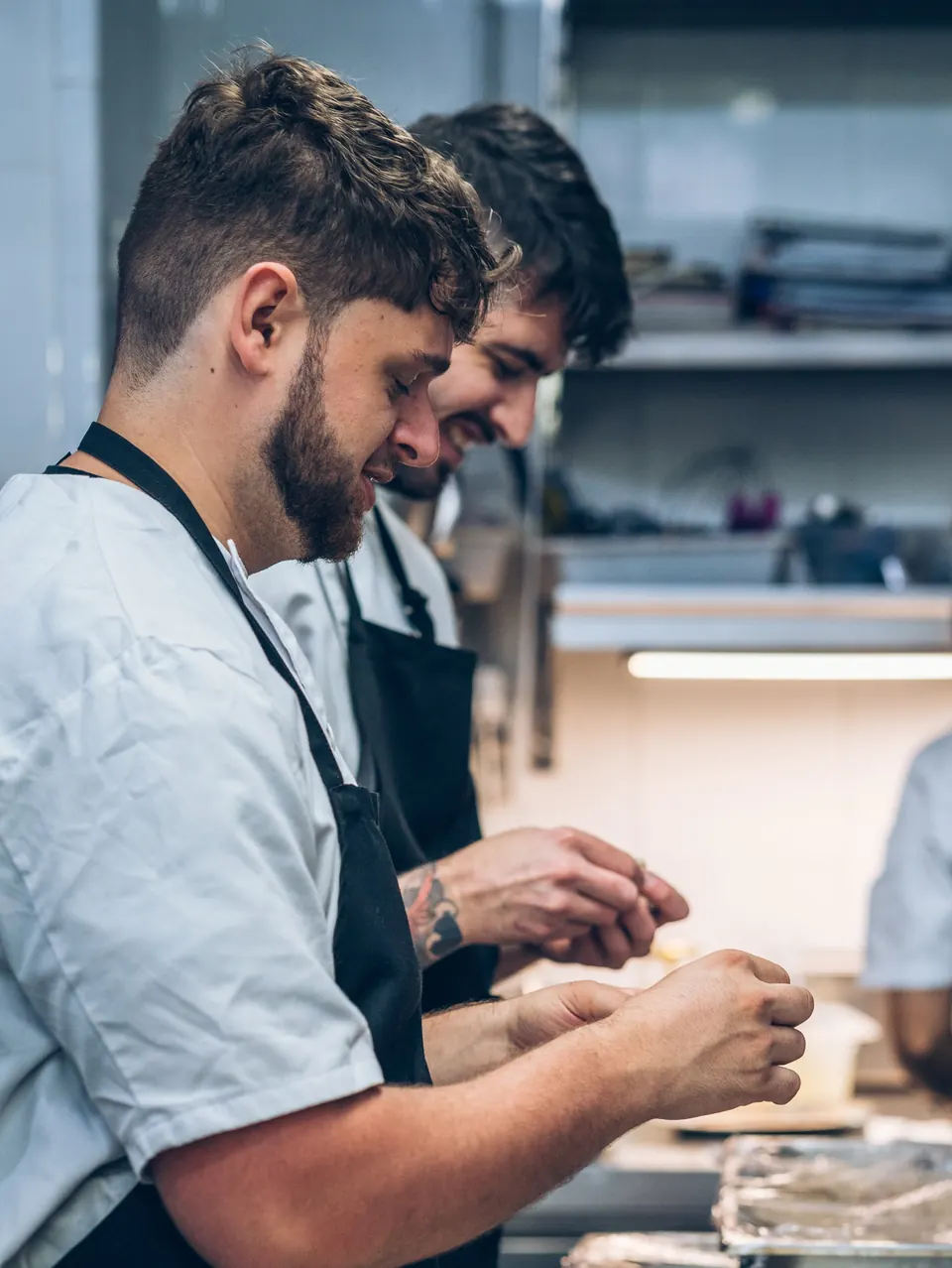
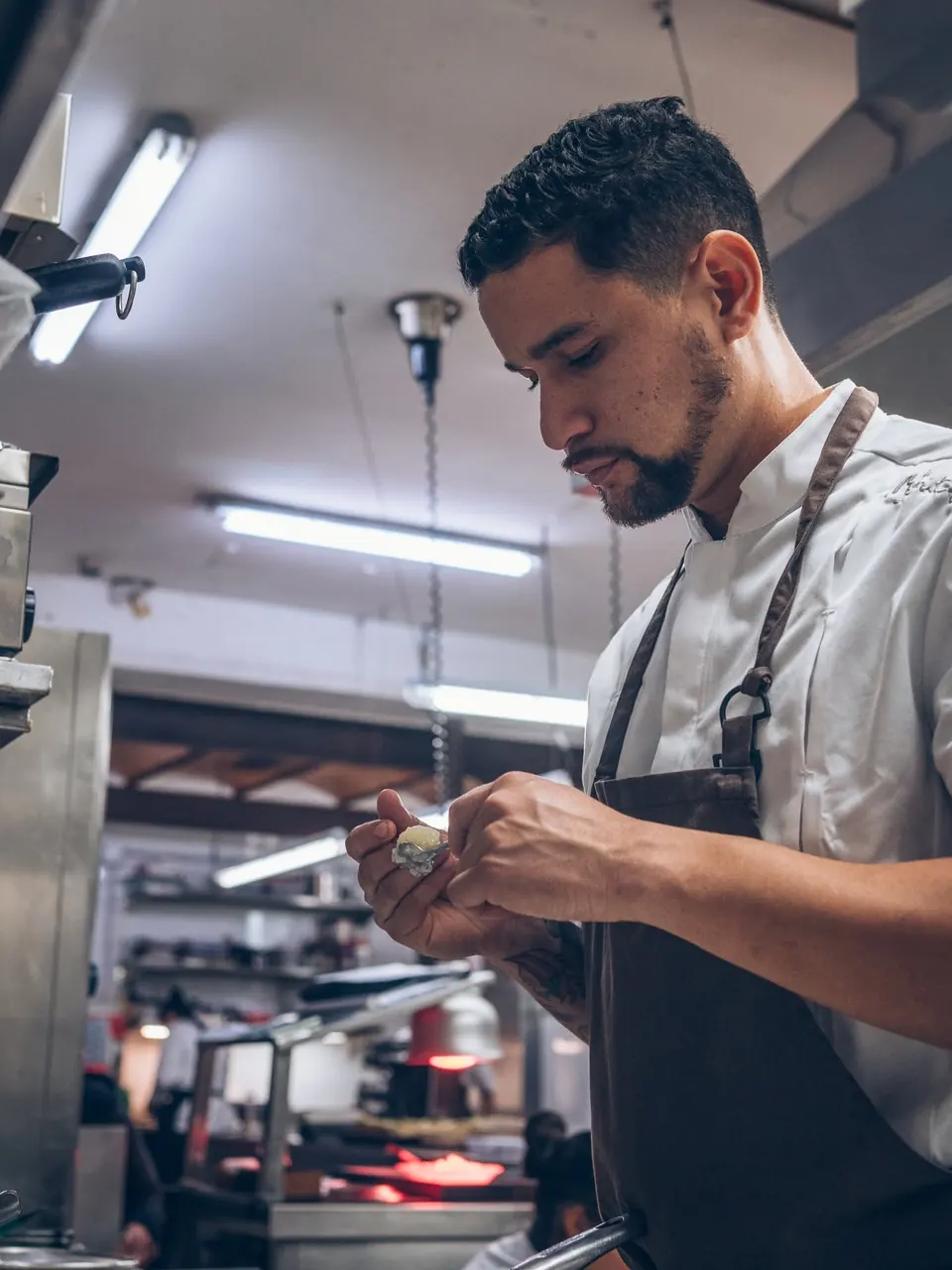
A kitchen that looks after itself
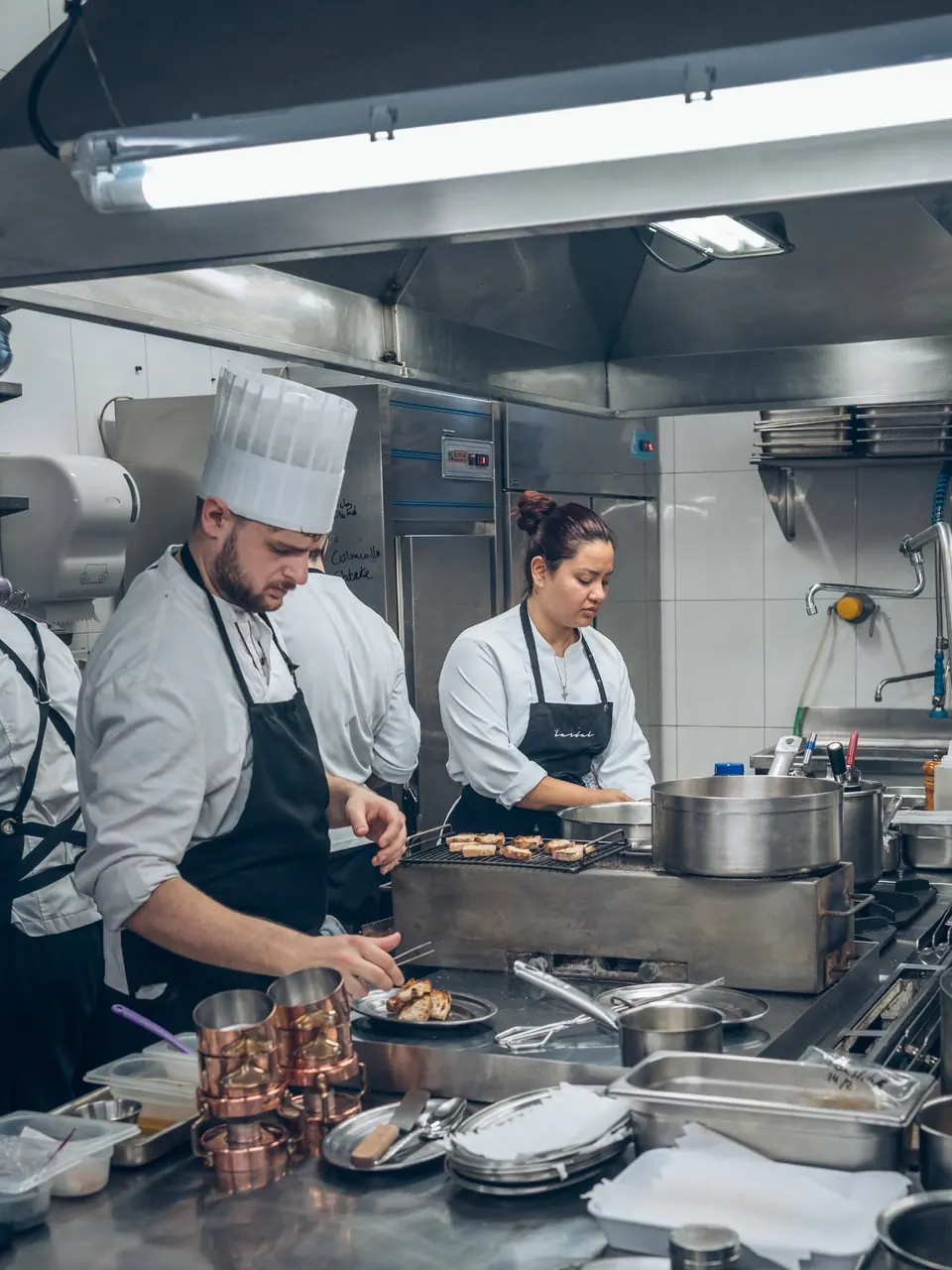
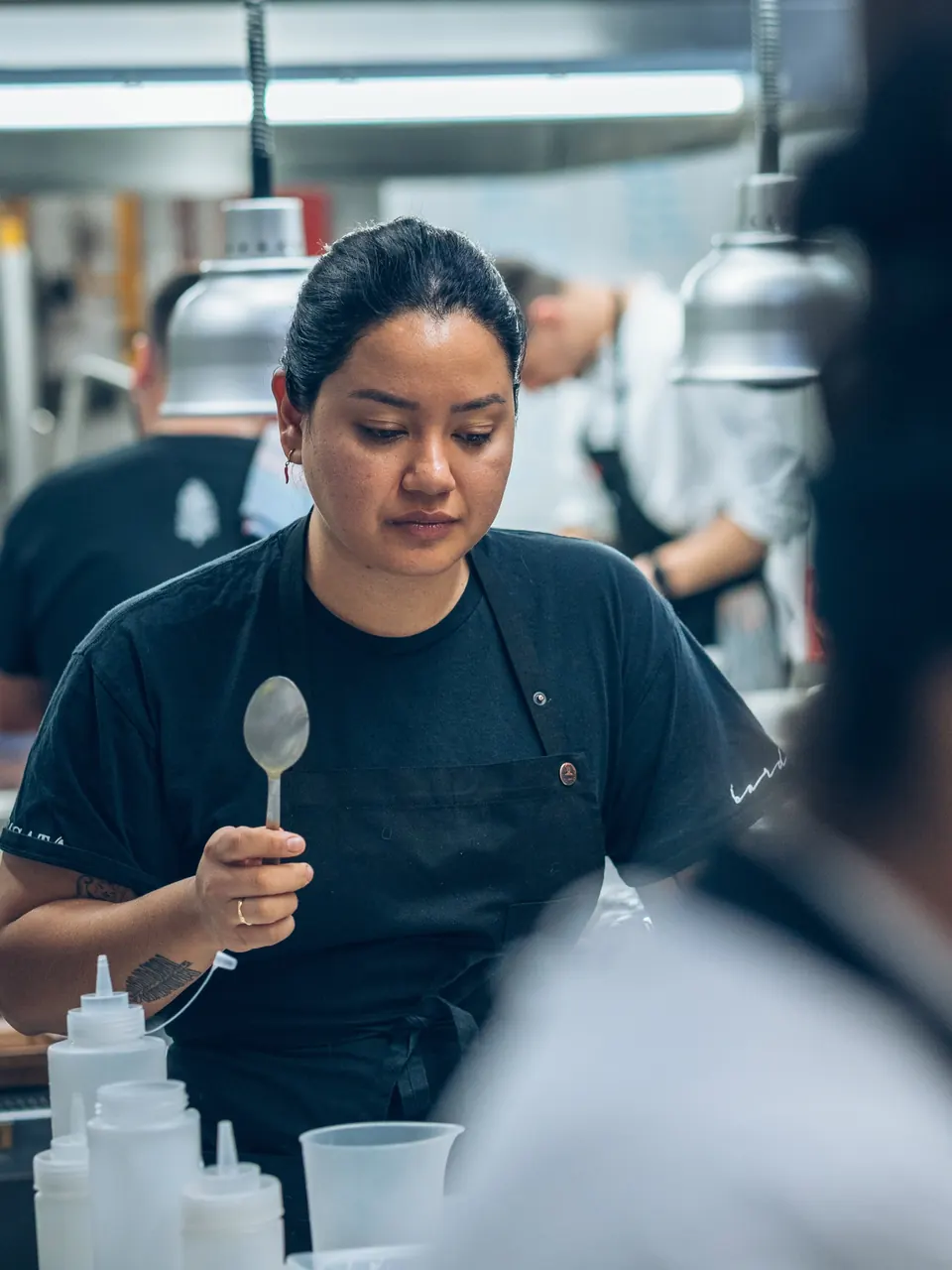
Having grown up around eighteen-hour days, he speaks plainly about conditions for people in hospitality, who work weekends and holidays, and argues that a restaurant’s prices should reflect them. And he asks guests to arrive on time, as they would for the opera or the theatre.
Bardal
The natural consequence
Bardal is where all of this comes together: the double table of Argentona, technique learned in great kitchens, produce as the argument and Ronda as home. The MICHELIN Guide awarded its second star in November 2019; the Repsol Guide, two Suns. With Tragatá in Ronda and Málaga and Dalmar in Sotogrande, it makes up Benito Gómez’s group of restaurants.
“The stars have no importance in our daily job.”